This is part of the worship series,
"August Adventures”
Series Introduction
Week 1 | Week 2 | Week 3 | Week 4
Introduction

Reformed churches are rediscovering the joy of evangelism in their congregations. The Heidelberg Catechism says that our faith in Christ comes from the Holy Spirit, who produces it in our hearts “by the preaching of the holy gospel” (Q&A 65). And believers must use their gifts that “others may be gained to Christ” (Q&A 86). At Corinth Reformed United Church, we are discovering new ways to share the good news.
All worship, properly conceived and led, is evangelistic. Sometimes, though, our focus in preaching and worship needs to encourage congregations intentionally to share the good news and invite commitment. We can do so in ways appropriate to our historic and contemporary Reformed heritage.
All worship, properly conceived and led, is evangelistic.
In 2002, our church began using the month of August for an emphasis on evangelism. The first year of our evangelistic emphasis, Sunday morning attendance increased 33 percent from the year before. We maintained that level in 2003 over the same four Sundays. Schools in our area open in early August, so we try to get members and the community back in church before they scatter again on Labor Day weekend.
Our plan was simple. We used four Sundays to focus on ever-widening circles of people.
This year, we used a series on the life of King David for worship and preaching. We set the stage in July with sermons on Samuel, Saul, and the call of David, and extended the series on David into September. Still, each sermon in August was self-contained so that worshipers did not feel they were jumping into the middle of something if they had missed previous Sundays.
Preaching on the life of David made obvious our strategy for worship planning—the psalms of David! Seventy-three psalms are attributed to David, and these became a rich resource for worship planning.
Series Outline
| Theme | Description | |
| Week 1 | Member Sunday | Ask church members to make a special effort to attend, perhaps even coming back early from vacation or forgoing a get-away weekend. |
| Week 2 | Friend Sunday | Members invite non-churched friends to attend worship. |
| Week 3 | Family Sunday | Members and friends invite immediate and extended family members to worship and sit together. |
| Week 4 | Sundae Sunday | Members and friends invite the neighborhood for worship and ice cream. |
Ten Friendliness Tips
The following tips were included one or two at a time in the bulletin several weeks before the series started. On Member Sunday, we included all ten tips.
|
Bulletins
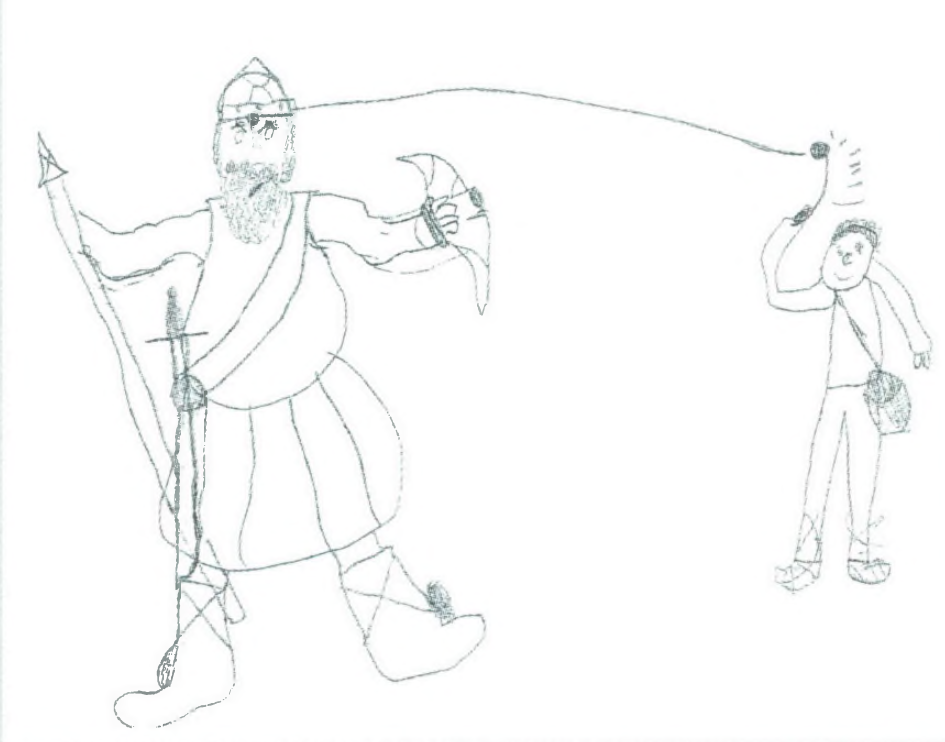
Children were invited to submit sketches related to the Bible story for the following week. Several sketches were submitted each week; we chose one for the bulletin cover and posted the others on a bulletin board.
Our bulletins and newsletters also included pictures and testimonials from church members
John Williamson Nevin
In his book Anxious Bench, John Williamson Nevin articulated a Reformed understanding of evangelism in the mid-nineteenth century. Nevin reacted to the excesses of the Second Great Awakening and later joined Philip Schaff as primary spokesmen for the Mercersburg Theology. Mercersburg swung the pendulum of the Reformed Church away from revivalism and toward liturgy and history before its Old Reformed opponents offered an antithesis that forced an eventual compromise.
Nevin’s negative evaluation of revivalism in the early years, however, suggested a positive summary of the Reformed view of evangelism:
|
Weekly Response to the Benediction
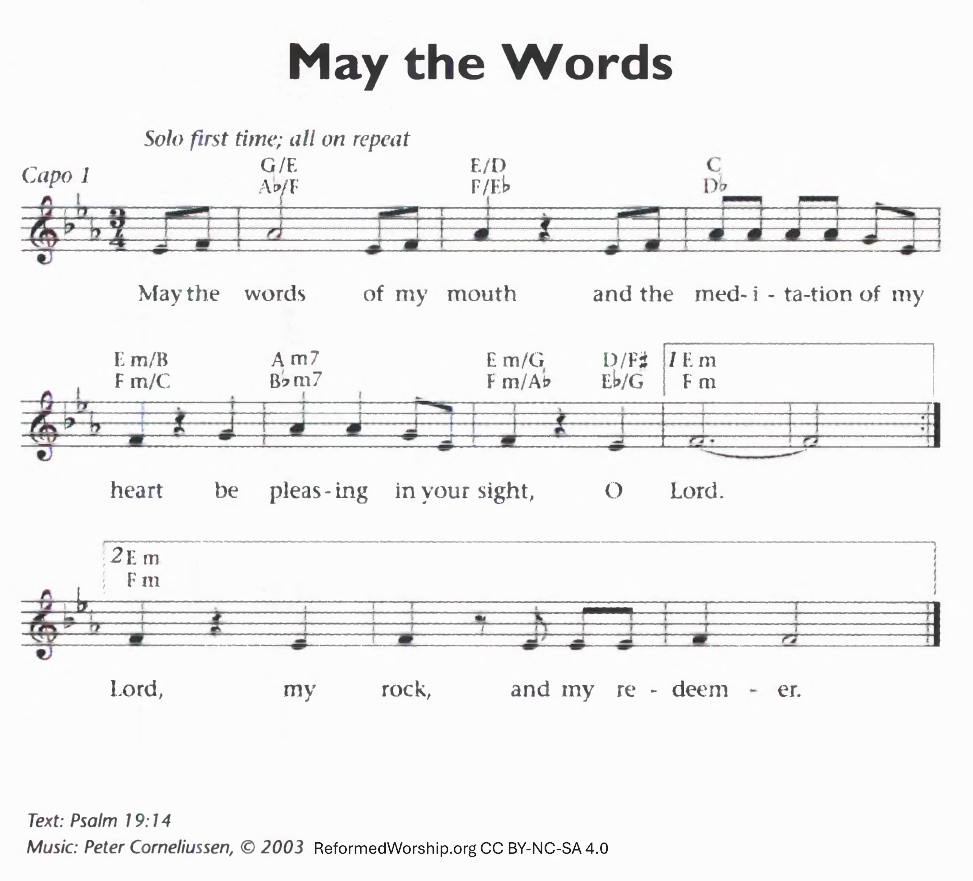
Every week we used the following musical response to the weekly benediction. The music to this response was composed by the Corinth Reformed Church's choir director Peter Corneliussen. The music is attached in the resource section below. It can be used with the following copyright: Peter Corneliussen © 2003 ReformedWorship.org CC BY-NC-SA 4.0.