This is part of the worship series,
"God in Three Persons"
Series Introduction
Week 1 | Week 2 | Week 3 | Week 4
Trinity Sunday
The Triune God
Scripture
John 16, 17
Sermon-Building Ideas
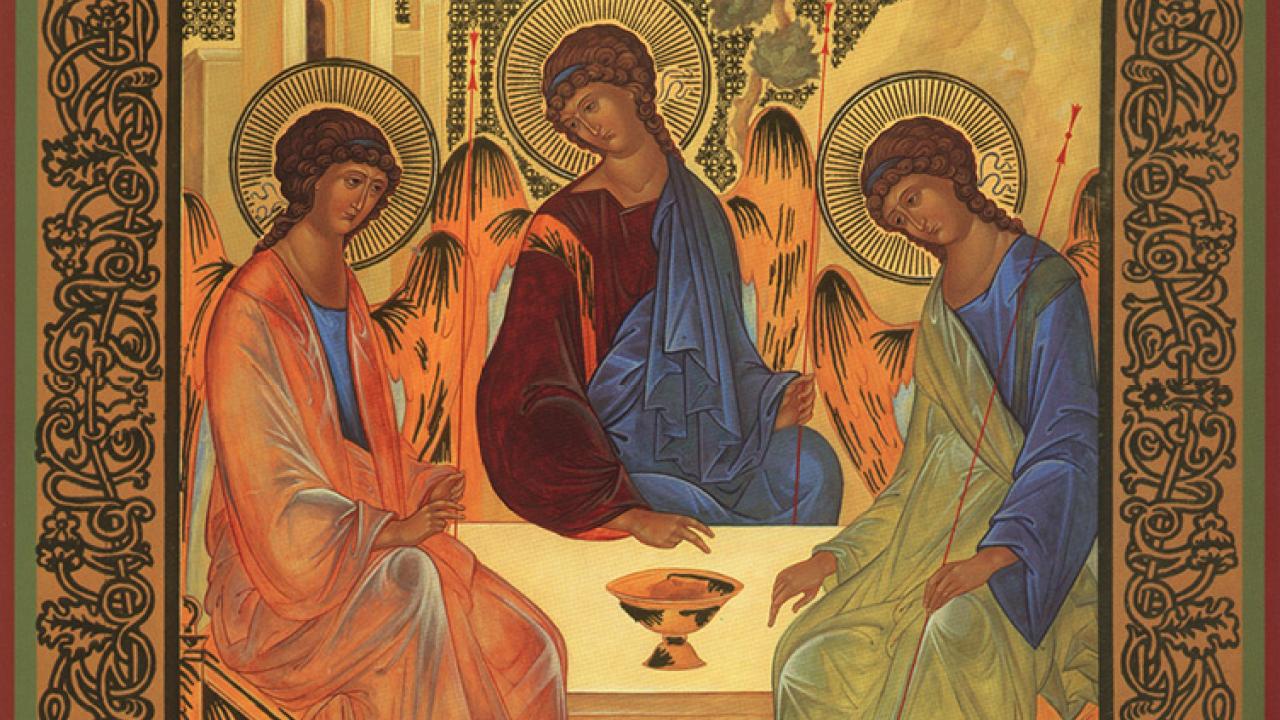
Have you ever found yourself in this position? You are surrounded by a catechism class of eager eighth-graders. In an attempt to teach the concept of the Trinity, you quote the creedal statement: “So the Father is God, the Son is God, and the Holy Spirit is God; but there are not three Gods, but one God.” Invariably you are confronted with the puzzled faces of teens who secretly wonder if you are mathematically challenged. To regain their confidence and understanding, you try a few analogies. You might compare the Trinity to water (three forms as vapor, liquid, ice, yet one substance) or the flags of many nations (three colors, one flag) or the triangle (three separate sides, yet one geometric figure).
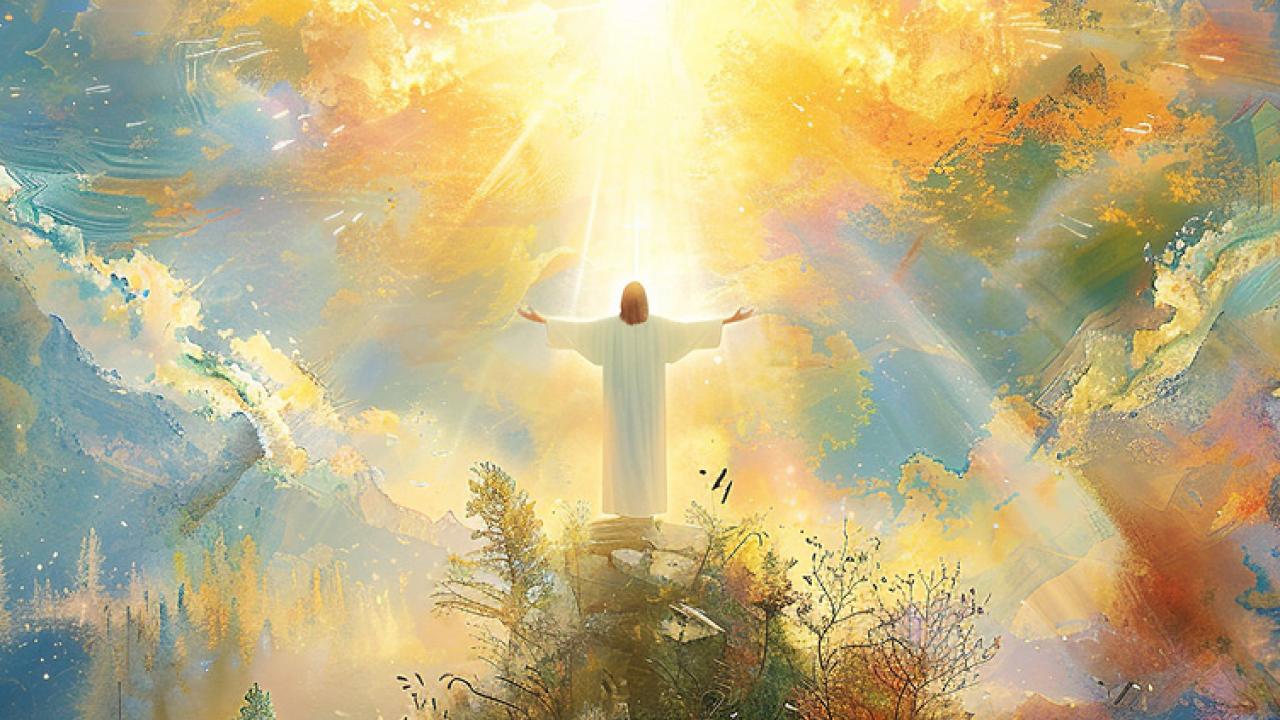
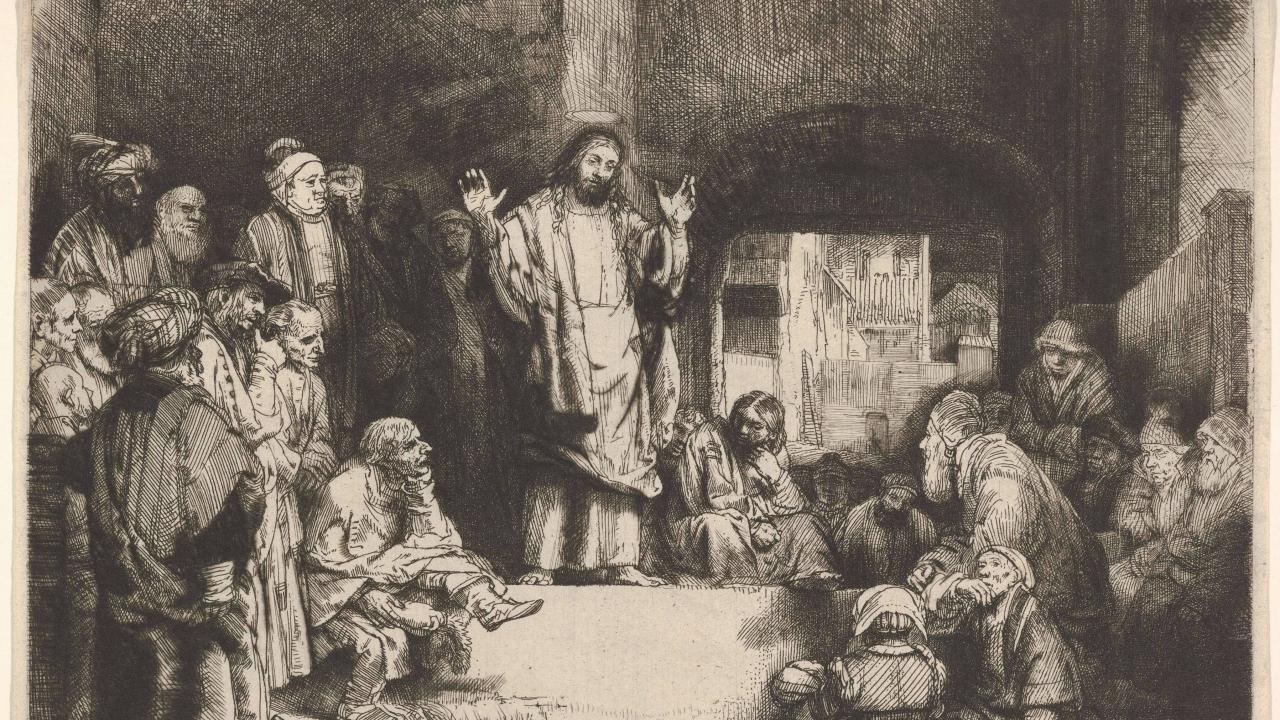
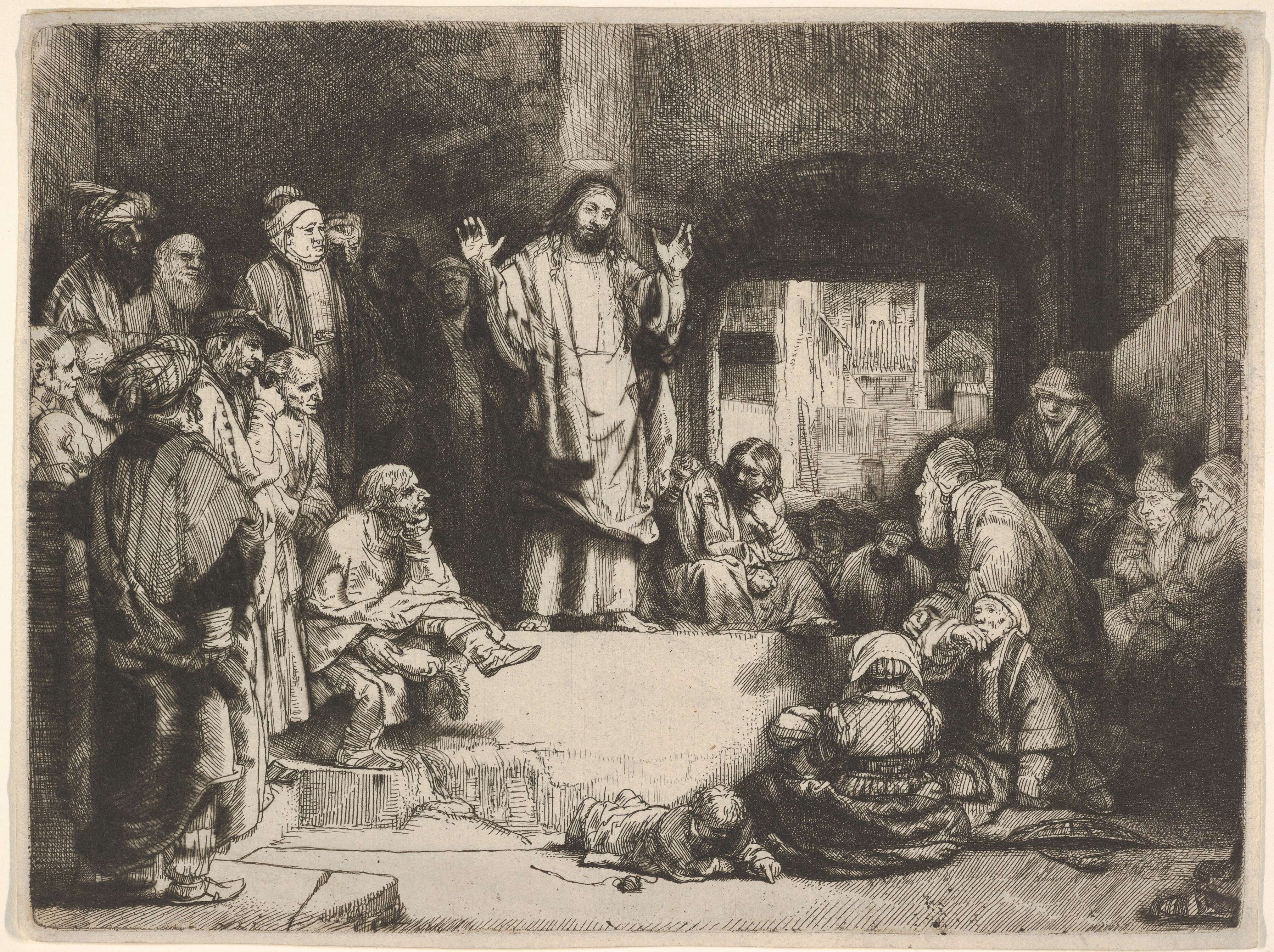
Naturally we try to grasp the concept of the Trinity mentally so we can understand God’s nature. Yet in the Bible this God, who wants to be known by us, never really seeks to explain that triune nature. God is simply there. The greater priority is that we know God experientially and love him with mind, heart, and body. This biblical truth was not lost on Rembrandt. Although we are unable to see the Father with the physical eye, God is actively among us through the visible Christ by the insightful work of the invisible Holy Spirit. The triune God is revealed throughout the Bible, and his presence and work is interwoven through the daily living of our faith.
Jesus’ prayer conveys the intricacy involved in the relationship of the three persons of the Trinity and the believers’ close attachment. John frequently uses the term abide in to express this proximity. The prayer indicates that serious indwelling is going on. The Father is in the Son, the Son is in the Father, believers are in the Father and the Son, and the Son and Father are in the believer(s). All this happens because of the subversive yet essential work of the Holy Spirit, (cf. John 14:26). The bonds are so complex as to be inseparable, yet all parties retain their own distinctive identity. Simultaneously, identity is defined through relationship to each other.
Attempting to analyze these complex interrelationships leads us into mystery. Exhort God’s people to worship and celebrate the triune God as they witness the signs of his presence. Like a panoramic view and surround sound, the Trinity is all around, revealed in the Word and in our worship:
|
Invite the community to participate in trinitarian life—more proclaiming, less explaining.
We engage in the triune nature of God in the unity and diversity of the faith community: in Spirit-inspired praise to the Father for the love shown in Jesus ; in a handshake or a hug of a beloved sister or brother in Christ; in the fellowship of a potluck lunch in the church basement. Or how about on the basketball court or in a game of pick-up hockey? Where else does the trinitarian nature of God reveal itself? All around, in the mundane yet supernatural ministry and life of God’s people.
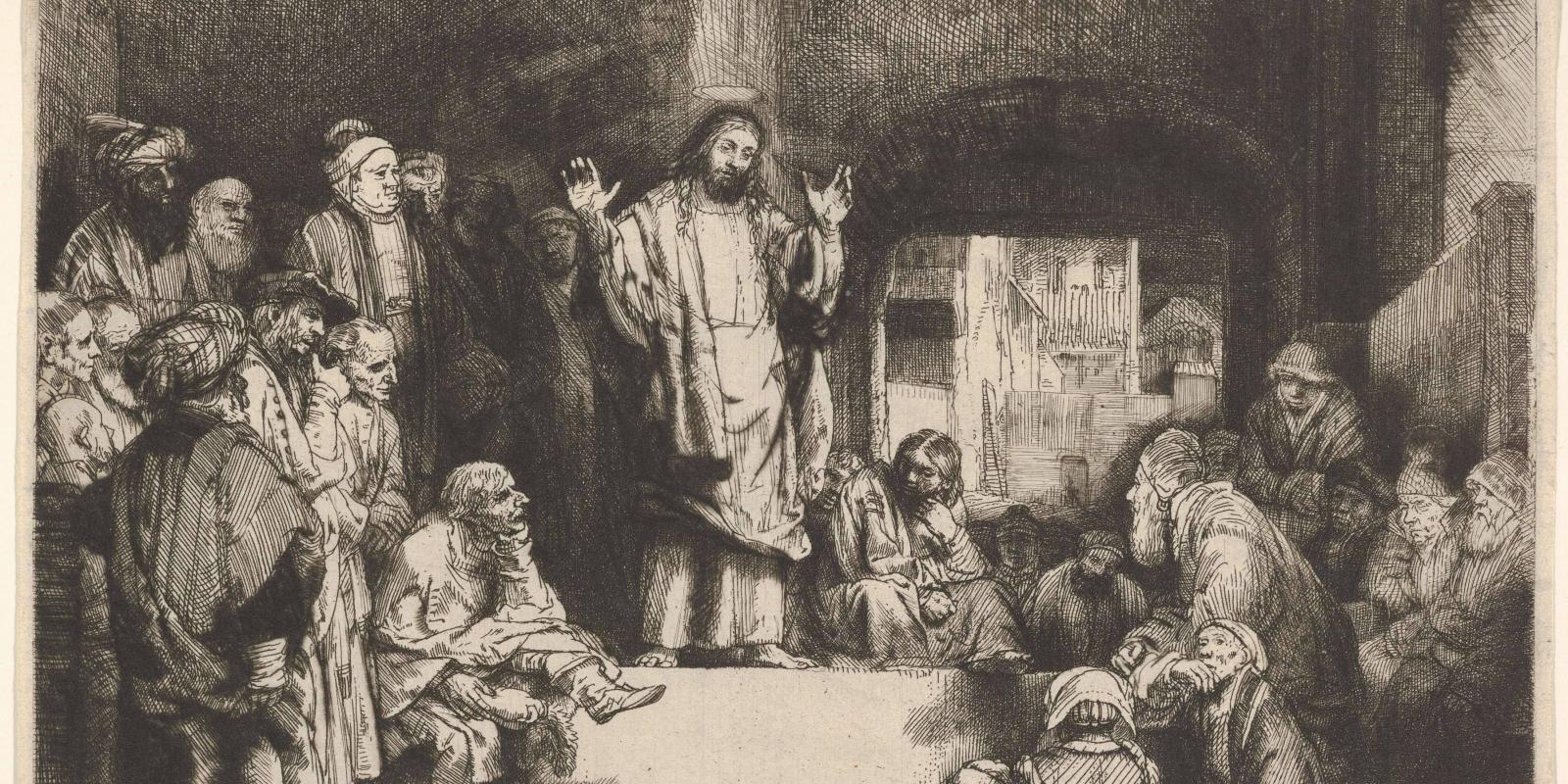
Do we have the faith-eyes to see the triune God among us? Some of us still may have a tough time trying to see that three-dimensional image in the magic-eye picture. Good thing our lives don’t depend on it. Our lives do depend on eyes to picture ourselves seated with the crowd in Rembrandt’s etching, compelled by the Holy Spirit to receive the Word of the Father’s love through the voice and hands of Jesus.
Sung Prayer
Holy God, we praise your Name;
Lord of all we bow before you.
Saints on earth your rule acclaim;
all in heaven above adore you.
Infinite your vast domain;
everlasting is your reign.
Holy Father, holy Son,
Holy Spirit, three we name you,
Though in essence only one;
undivided God, we claim you
and, adoring, bend the knee
while we own the mystery.
—Te Deum, 4th cent.; vers. Ignaz Franz; c.1774; tr. Clarence A. Walworth, 1853, alt. public domain.
Prayer
Triune God, Father, Son, and Holy Spirit, you know the futility of our fumbling attempts to comprehend you. Time and again we are left exhausted by our finite minds’ endeavor to grasp your infinite Being. We are humbled and thankful you have revealed so much of yourself to us: a Father who creates and provides, who reaches out in electing love and embraces us. A Son who shares in our humanity, who died and rose that we may reign with him. A Spirit who opens our minds and hearts, who brings us into trinitarian truth. Lead us to own this mystery. Teach us to live the Trinity. Amen.
Songs
Most hymnals include songs on the Trinity as a separate section and/or in a listing in the topical index. Choose a trinitarian hymn for the opening hymn, as a response to the sermon, and as a doxology. Consider introducing a doxology that will be sung throughout the summer months. Here are some suggestions:
“Holy God, We Praise Your Name” Unknown
“Come, Thou Almighty King” Anonymous (stanzas 1-3 at the beginning of the service; stanza 4 as a doxology)
“Father, We Love You” Adkins
“Abide with Us, Our Savior" Stegmann
Revised Common Lectionary
Year C: Season after Pentecost—Trinity Sunday